Why Cambodia, why now
National electricity demand is projected to nearly triple from ~24 TWh in 2025 to ~66 TWh by 2040, growing ~9% annually. Cambodia has halted new coal development after 2024 and is legally committed to 70% renewable energy by 2030 and carbon neutrality by 2050 — a structural gap that utility-scale solar is positioned to fill.
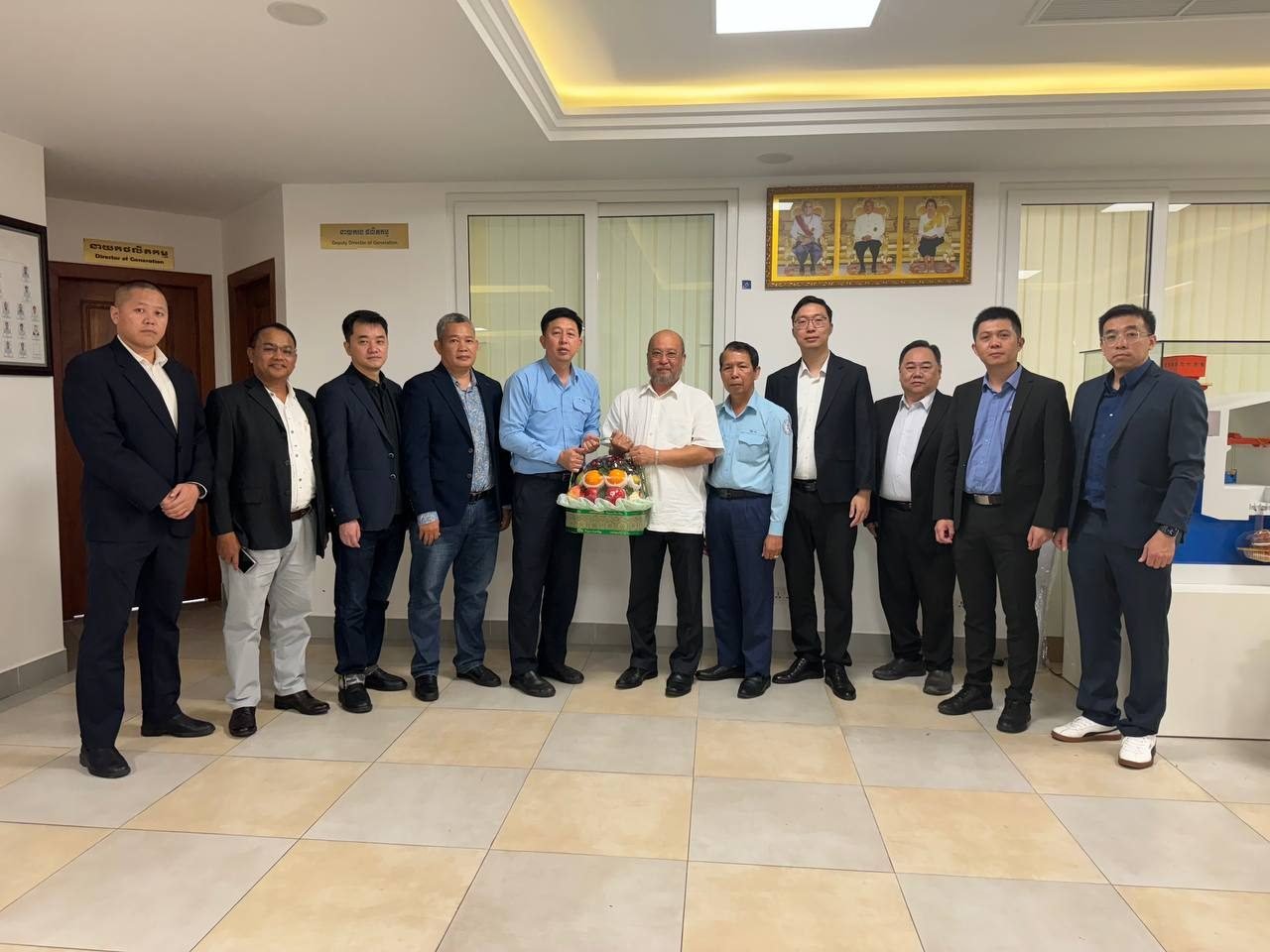
A superior, bankable framework vs. regional peers
- Ownership 100% foreign ownership permitted in renewables, unlike restrictive caps in Vietnam or Thailand
- Fiscal incentives 9-year corporate tax holiday, exemptions on import duties and VAT for capital equipment
- Resource quality ~2,500 sun-hours/year and ~5 kWh/m²/day irradiation, yielding ~1,600 kWh/kWp annually — among Asia's highest
- Tariffs Record-low auction bids around USD 0.039/kWh, against industrial grid tariffs of USD 0.15–0.19/kWh
- Offtake Bankable, sovereign-backed PPAs sold exclusively to Electricité du Cambodge (EDC), with approvals streamlined through MME's "One-Window" service
National master plan allocation by province
Cambodia's Solar PV Development Master Plan (2022–2040) allocates capacity across priority provinces chosen for strong insolation, flat terrain, and proximity to substations.
| Province | Master plan allocation | Priority timeline |
|---|---|---|
| Kampong Speu | ~900 MW | 2025–2030 |
| Kampong Chhnang | ~800 MW | 2025–2030 |
| Kampong Thom | ~600 MW | 2027–2035 |
| Battambang | ~500 MW | 2028–2035 |
| Kampong Cham | ~400 MW | 2027–2035 |
| Kampot | ~300 MW | 2028–2035 |
| Prey Veng | ~250 MW | 2028–2035 |
| Svay Rieng | ~200 MW | 2028–2035 |
| Other provinces (combined) | ~1,240 MW | 2030–2040 |
Approval pathway
Utility-scale solar projects follow a structured, government-backed process coordinated through the Ministry of Mines and Energy (MME), the Electricity Authority of Cambodia (EAC), and the Council for the Development of Cambodia (CDC) — designed for early certainty and bankability.
- 1 Project concept & due diligence
- 2 CDC/QIP application → in-principle investment license (≈45 banking days, endorsed by the Prime Minister)
- 3 Land lease / concession contract
- 4 MME Master Plan / Site Conformity Notice approval
- 5 Environmental Impact Assessment (Ministry of Environment)
- 6 PPA negotiation & Implementation Agreement execution (EDC / MME / MEF)
- 7 EAC Generation License issuance
- 8 Construction permits & grid connection agreements
- 9 Financial close → begin construction
A well-managed project typically completes licensing in ~5–8 months, with several steps run in parallel.
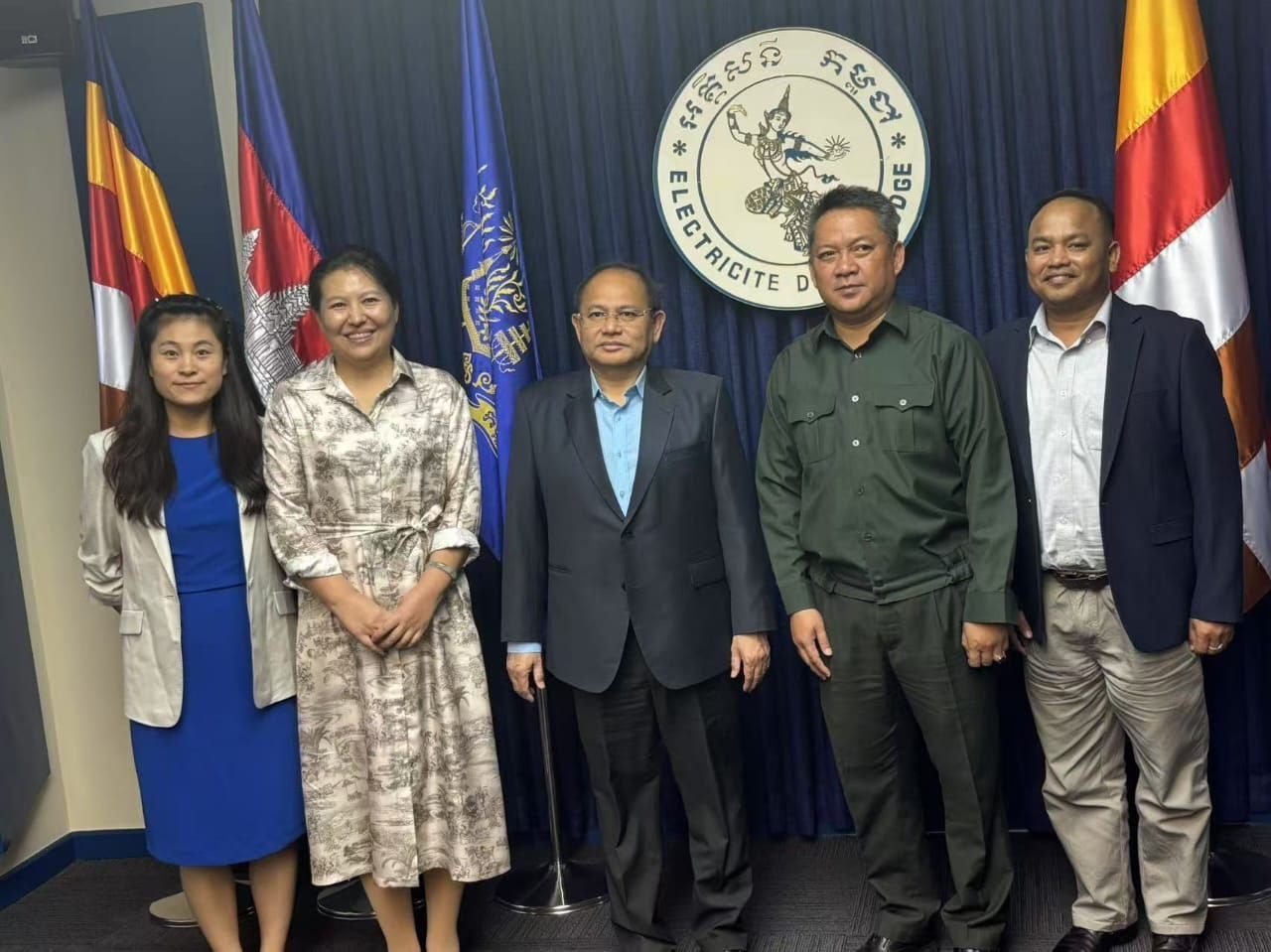
- Government liaison and coordination across MME, EAC, CDC, and EDC
- Site identification and feasibility support within the national master plan
- Structuring investor entry — direct competitive procurement or Model of Development (MOD) partnerships with state entities
Detailed site-level data — including currently awarded, construction-ready projects with specific tariffs and investment figures — is shared only with qualified investors under the engagement protocol below, consistent with the confidentiality of that data room.
Engagement protocol:
- 1 Expression of Interest & signed NDA
- 2 Access to technical data room & zone prioritization
- 3 Feasibility study agreement (if applicable)
- 4 Government liaison & licensing pathway
- 5 PPA negotiation with EDC
- 6 Final investment agreement & execution roadmap